How it got here.
Sonnet 5.5, mostly on Max reasoning and later Extra High, takes on an early-2000s BMX reference—with lessons in usage, lighting and forgiving physics.
The starting pointA familiar era, a new experiment
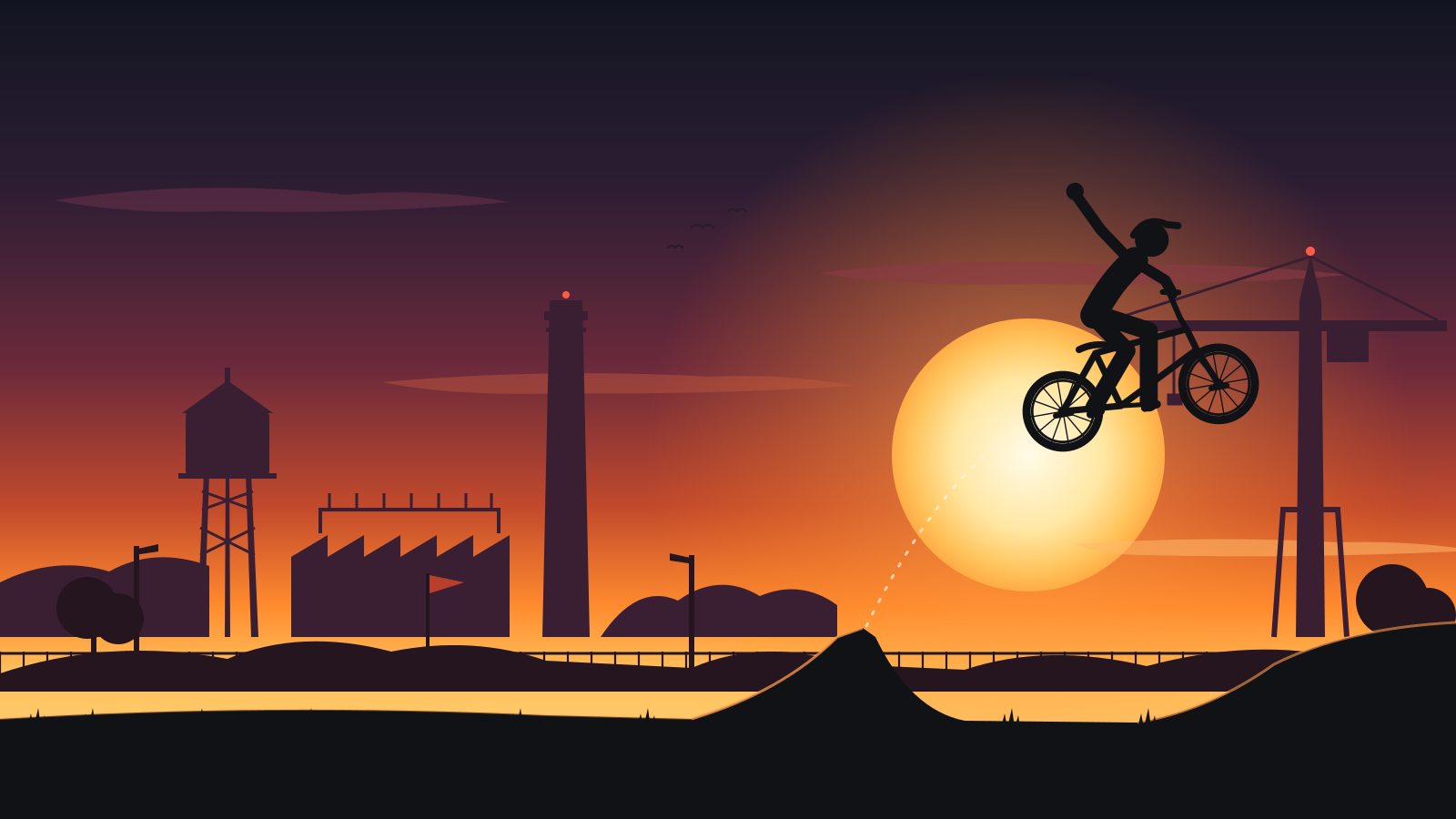
I wanted to give Sonnet 5.5 the style of Dave Mirra Freestyle BMX 2—the kind of BMX game we played in the early 2000s—and see what it would create. That reference gave it a direction; the experiment was to let it build, look at the result and go from there.
There is a personal side to it too. The game is dedicated to my brother Kevin, with Crown Yards built around that memory of tricks, gaps, secrets and one more run.
Max reasoning had a cost
Most of the work ran on Sonnet 5.5 at Max reasoning. Later I used Extra High for some of it because Max was consuming more of my usage than I wanted. For this project, Extra High seemed like a better balance.
We stopped before the agent fully completed its goal because the work was taking quite a bit of time. The current build is a decent result from that experiment, rather than the endpoint of everything we originally asked it to do.
Getting the light right
Lighting was one of the areas that needed particular attention. How the game used light became a recurring part of evaluating and improving what the AI produced.
Making it easier to ride
I originally wanted realistic physics. Getting the AI to produce a working version of that on the fly proved difficult, so we made the riding more forgiving.
That was an important adjustment to the experiment: simplify the physics enough to get something that works as a game, then judge the result by playing it.